Wayne Hall
Ο Edward Gibbon έφτασε να θεωρεί την παρακμή και την πτώση της Ρωμαϊκής Αυτοκρατορίας ως «τον θρίαμβο της βαρβαρότητας και της θρησκείας». Αν η «δεύτερη παρουσία του Χριστού» προορίζεται να είναι ένα γεγονός όχι της θρησκείας αλλά της επιστήμης, της γνώσης και του Διαφωτισμού, μήπως οι φάροι έχουν μέλλον ως «μοναστήρια» ενός πολυκεντρικού και – «μεταθρησκευτικού» – κόσμου;
Η παρούσα ανάλυση γράφεται από την Ελλάδα, η οποία εκ πρώτης όψεως δεν βρίσκεται σε καλή θέση για να συμμετάσχει ενεργά στη μετάβαση προς έναν πολυπολικό κόσμο που θα συνεπαγόταν υποβάθμιση του κύρους της Ευρώπης, του Χριστιανισμού και της «Δύσης». «Η Δύση», στην οποία η Ελλάδα συχνά δεν θεωρείται να ανήκει πλήρως… είναι η Δύση του Καθολικισμού και του Προτεσταντισμού, των «Φράγκων», των Βαυαρών που κυβέρνησαν την Ελλάδα στις δεκαετίες που ακολούθησαν μια επανάσταση που θεωρήθηκε επιτυχής, της ναζιστικής κατοχής κατά τον Δεύτερο Παγκόσμιο Πόλεμο (ήταν αυτό πραγματικά η «Δύση»;). Οι Έλληνες περηφανεύονται για το γεγονός ότι η ίδια η λέξη «Ευρώπη» είναι τόσο αδιαμφισβήτητα ελληνική. Αποτελεί επίσης πηγή δόξας για την Ελλάδα το γεγονός ότι το επιχείρημα της Ιταλίας να αντιστρέψει την ιστορική κατανομή του εκπολιτιστικού ρόλου της Ελλάδας έναντι της Ιταλίας, μετατρέποντας την τελευταία σε αποικία και καθιστώντας τον εαυτό της αποικιοκράτη, ηττήθηκε.
Από την άλλη μεριά, η σημερινή ανάδειξη σε θέση πρώτης γραμμής προσώπων με τόσο εξωφρενικά ναζιστική παρουσία όσο η Ursula von der Leyen ή ο Γερμανός καγκελάριος Friedrich Merz μυρίζει προκλητικότητα (από ποιον και για ποιο σκοπό;). Υπάρχει μια αίσθηση déjà vu σε ολόκληρο το σενάριο, και τι σημαίνει αυτό; Η Pax Americana της μεταπολεμικής περιόδου δεν ευνοείται πλέον ούτε καν από τις ίδιες τις Ηνωμένες Πολιτείες ως αυτοπεποίθητη και ανοιχτά διακηρυγμένη πολιτική. Η άνοδος μιας εναλλακτικής διεκδίκησης της παγκόσμιας ηγεμονίας από την Κίνα και τη Ρωσία δείχνει να στερείται ενός βασικού στοιχείου που ιστορικά συνδέεται με την αυτοκρατορία: την επιβολή πολιτιστικής (συμπεριλαμβανομένης της γλωσσικής) κυριαρχίας.Τι έχουν κοινό αυτά τα δύο κράτη, άλλωστε, εκτός από ένα παρελθόν του 20ού αιώνα με έναν μάλλον προβληματικό μαρξισμό (θα συμφωνούσε ο Λούκατς;), από τον οποίο το ένα έχει αποστασιοποιηθεί ρητά και το άλλο έχει μετατρέψει σε ένα αινιγματικό υβρίδιο; Αποτελούν αυτά τα στοιχεία το πολιτισμικό πρόσωπο μιας νεοεμφανιζόμενης ηγεμονίας; Ίσως ναι, αλλά αν είναι έτσι, θα είναι sui generis.
Μόλις λίγα χρόνια έχουν περάσει από τη θριαμβευτική άφιξη στην Αθήνα των ηρωικών υπερασπιστών της ιατρικής ακεραιότητας, των επιστημονικών αρχών και της δημοκρατίας, του Reiner Fuellmich και του Sucharit Bhakdi. Η εκστρατεία τους αποτελούσε αντίδραση στην εξαπάτηση, λογοκρισία και δολοφονική κρυφή ατζέντα ενός Παγκόσμιου Οργανισμού Υγείας που προφανώς είχε πέσει στα χέρια εγκληματιών. Και οι δύο άνδρες χάρηκαν που βρέθηκαν στο «λίκνο της δημοκρατίας», επικαλούμενοι σαφώς αντιλήψεις που κανένας από τους δύο δεν έδειχνε να αντιλαμβάνεται ότι απειλούνται σοβαρά, όχι μόνο πρακτικά αλλά και θεωρητικά. Συστήνοντας τον Fuellmich στη συνέντευξη Τύπου που πραγματοποιήθηκε την παραμονή μιας εντυπωσιακής δημόσιας συγκέντρωσης στο «Πάρκο της Ελευθερίας», ο Έλληνας καρδιολόγος Αργύρης Νταλιανής δήλωσε (μετάφραση από τα αγγλικά): «Σήμερα είναι μια ιστορική μέρα για πολλούς λόγους, διότι έχουμε δύο προσωπικότητες από τον διεθνή χώρο που διακρίθηκαν ως επιστήμονες και όχι μόνο. Αυτοί οι άνθρωποι είναι, νομίζω, ένα σύμβολο και, μετά από λίγα χρόνια, θα αποτελέσουν ένα ακόμη μεγαλύτερο σύμβολο για όλους τους ανθρώπους και όλες τις εποχές, διότι δεν έχουν, αυτή τη στιγμή, την πολυτέλεια να λένε ό,τι λένε χωρίς να τιμωρούνται γι’ αυτό. Για τον ομιλητή που κάθεται δίπλα μου εδώ, κυκλοφορούν απεχθάνεις συκοφαντίες που τον στιγματίζουν με διάφορους τρόπους, γνωρίζοντας ότι εδώ στην Ελλάδα η παρουσία αυτών των ανθρώπων μπορεί να προκαλέσει αίσθηση. Αυτή η συνέντευξη Τύπου που διεξάγεται αυτή τη στιγμή ενδέχεται να πάρει διαστάσεις χιονοστιβάδας όταν ολοκληρωθεί η επεξεργασία της σε λίγες ώρες και αρχίσουν να κυκλοφορούν οι αντιδράσεις γι’ αυτήν».
Ο Νταλιάνης δεν είχε άδικο όταν ισχυρίστηκε ότι η συνέντευξη Τύπου που διεξάγονταν τότε άξίζε «να πάρει διαστάσεις χιονοστιβάδας», ούτε ότι η παρουσία στην Ελλάδα προσωπικοτήτων αναγνωρισμένης σημασίας στην Ευρώπη «μπορεί να προκαλέσει αίσθηση». Η Ελλάδα είναι στην τελική ανάλυχη μια χώρα της δυτικοευρωπαϊκής περιφέρειας. Στην προκειμένη περίπτωση όμως αυτό δεν συνέβη. Οι απολυμένοι και τελικά επαναπροσληφθέντες υγειονομικοί , οι οποίοι αποτελούσαν σημαντικό μέρος της πολιτικής βάσης του Νταλιάνη όταν αυτός (όπως και τόσοι άλλοι) ξεκίνησε το χαρακητισικά άκαρπο έργο της συγκρότησης του προσωπικού του κόμματός μετά από την αναταραχή λόγω της COVID, επανήλθαν γρήγορα στις πιο οικείες ρουτίνες και ανησυχίες τους. «Ο καθένας από εμάς έχει τις απόψεις του, οι οποίες βασίζονται σε κάποια επιστημονικά δεδομένα. Αν κάποιος έχει μια μειοψηφική άποψη σχετικά με τη σημασία ή την ένταση ενός συγκεκριμένου ζητήματος, αυτό δεν σημαίνει ότι βρίσκεται εκτός πραγματικότητας και το συμπέρασμά του είναι επιστημονικά αβάσιμο. Δεν νομίζω ότι οποιοσδήποτε εργαζόμενος στον τομέα της υγείας, και ιδίως οι γιατροί, θα έλεγε κάτι που δεν υποστηρίζεται από επιστημονικά δεδομένα.» (Λόγια του Αργύρη Νταλιάνη. Δική μου μετάφραση.)
Αλλά το χειρότερο από όλα είναι ότι, πριν περάσει ούτε ένας χρόνος από την εμφάνισή του στην Αθήνα, ο Fuellmich είχε απαχθεί και, με πλήρη περιφρόνηση της νομιμότητας, φυλακιστεί στη Γερμανία.
Τον Ιούνιο του 2022, την εποχή που διαλύθηκε η πρώτη προσπάθεια του Fuellmich να διαχωρίσει την πραγματικότητα από τη μυθοπλασία σχετικά με τον ΠΟΥ και την ατζέντα του (η Ερευνητική Επιτροπή για τον Κοροναϊό), ο Reiner επιχείρησηε τη δική του «στροφή προς τον παγκόσμιο νότο» με τη μορφή μιας διαδικτυακής συνέντευξης με την αυστραλιανή ακτιβιστική ομάδα Café Locked Out, η οποία μεταδόθηκε από τη μικρή αγροτική πόλη Πόρτλαντ στη Βικτώρια της Αυστραλίας. https://open.spotify.com/episode/4v14gx5mrr5b0EYbC8v2o3
Αυτό που είπε ο Reiner στους ακτιβιστές του Café Locked Out καθιστά σαφές πόσο επικίνδυνος θεωρείται (από ορισμένους), αλλά τα κολακευτικά σχόλιά του για τους Αθηναίους υγειονομικούς που μόλις πρόσφατα είχε συναντήσει, μάλλον προμηνύουν κάποια διακριτά όρια. Σε αυτή τη συνέντευξη στο Πόρτλαντ διατυπώνει την αισιόδοξη εκτίμηση ότι αυτοί (όπως και ο ίδιος) «δεν θα λυγίσουν υπό πίεση». Οι ελπίδες που εξέφρασε για το γερμανικό πολιτικό κόμμα του «die Basis» επίσης δεν φαίνεται να έχουν αντέξει στη δοκιμασία του χρόνου. Επιστρέφοντας στο βόρειο ημισφαίριο, επανέρχεται το ερώτημα του πώς η Ελλάδα του Reiner θα μπορούσε πειστηκά να πληροί τις προϋποθέσεις συμμετοχής σε μια στροφή μακριά από την Ευρώπη προς τον «παγκόσμιο νότο».
Η απάντηση που δοκιμάζεται εδώ είναι: η Επανάσταση του 1821. Η ημερομηνία αυτή είναι η ιστορικά αποδεκτή ημερομηνία έναρξης της εξέγερσης κατά της Οθωμανικής Αυτοκρατορίας, η οποία περιγράφεται ως εξέγερση των Ελλήνων (πολλοί από τους οποίους όμως, όπως και οι Αλβανοί που ανέλαβαν μεγάλο μέρος των εχθροπραξιών, θεωρούσαν τους εαυτούς τους χριστιανούς και «Ρωμιούς» (Ρωμαίους), όχι Έλληνες (με άλλα λόγια ειδωλολάτρες). (Που δεν σημαίνει ότι τα κινητρά τους είσαν θρησκευτικό, όχι εθνικό ή κοινωνικό χαρακτήρα). Επίσης δεν πρόκειται για ημερομηνία ίδρυσης του νέου επαναστατικού κράτους, η οποία ήταν η 26η Ιανουαρίου 1828 (σαράντα χρόνια ακριβώς μετά την ανύψωση της βρετανικής σημαίας στο Port Jackson της Νέας Νότιας Ουαλίας) ή, εναλλακτικά, η 3η Φεβρουαρίου 1830 με την υπογραφή του Πρωτοκόλλου του Λονδίνου και, μαζί με αυτό, την ευλογία της «διεθνούς κοινότητας» της εποχής (Γαλλία, Μεγάλη Βρετανία, Ρωσία), ούτε, ως μεταγενέστερη σκέψη, μετά από κάποιες προσπάθειες να βρεθεί ένας Ευρωπαίος βασιλιάς πρόθυμος να ηγηθεί του κράτους, η ανακήρυξη του Βασιλείου της Ελλάδας στη Διάσκεψη του Λονδίνου του 1832.
Το ελληνικό κράτος που ανακηρύχθηκε στην Αίγινα στις 26 Ιανουαρίου 1828 είχε επικεφαλής τον διακεκριμένο (και αργότερα δολοφονημένο) διεθνή διπλωμάτη Ιωάννη Καποδίστρια, αλλά μόνο στην Αίγινα αυτό αναγνωρίστηκε ως εγκαίνια, αν και μετά από δεκαετίες ακούραστης πίεσης από τους Αιγινίτες και άλλους θαυμαστές του Καποδίστρια, ένα ελληνικό προεδρικό διάταγμα αναγνώρισε τελικά (τον 21ο αιώνα) την 26η Ιανουαρίου ως ημερομηνία για μια ελληνική γιορτή «τοπικής σημασίας».
Θα μπορούσε άραγε να βοηθήσει την «στροφή της Ελλάδας προς τον παγκόσμιο νότο» (και την αυτοεκτίμηση των Αυστραλών ) αν η Ελλάδα μοιραζόταν αυτή την ημερομηνία με την Αυστραλία ως συγγενική εθνική εορτή; Η επί του παρόντος αναγνωρισμένη εθνική εορτή της Ελλάδας, η 25η Μαρτίου, είναι, τελικά, η ημερομηνία όχι εθνικής αλλά θρησκευτικής γιορτής, της εορτής του Ευαγγελισμού της Θεοτόκου. Θα ωφελούσε το κύρος της Ελλάδας στην Ευρώπη και παγκοσμίως αν η 26η Ιανουαρίου γινόταν η εθνική εορτή της Ελλάδας; Για να καθησυχαστούν οι ορθόδοξοι πιστοί – μπορεί να ειπωθεί με βεβαιότητα ότι δεν υπήρχε πιο ευσεβής ορθόδοξος χριστιανός από τον Ιωάννη Καποδίστρια.
Επίσης βρισκόταν αναμφίβολα στο πλευρό του Διαφωτισμού. Η εκπαίδευση, η σύγχρονη επιστήμη, οι οργανωμένοι κρατικοί νόμοι αποτελούσαν τον πυρήνα των στόχων του. Πίστευε ότι ένα μορφωμένο κοινό ήταν απαραίτητο για κάθε ελεύθερο έθνος. Άνοιξε δημοτικά και γυμνάσια σε όλη την Ελλάδα, τα οποία δεν επικεντρώνονταν αποκλειστικά στην κλασική παιδεία εις βάρος της κοινής λογικής. Ήθελε οι μαθητές να μάθουν πρακτικά επαγγέλματα, συμπεριλαμβανομένης της γεωργίας. Η προσέγγισή του στην ιατρική επιστήμη ήταν αυτό που λέγεται προοδευτική, συμπεριλαμβανομένης της επιλεκτικής χρήσης εμβολιασμών (π.χ. κατά της ευλογιάς). Απορρίπτοντας το κατεστημένο της αυθαίρετης εξουσίας των τοπικών πολέμαρχων και των πλούσιων γαιοκτημόνων, προωθούσε αντ’ αυτού μια ενιαία κεντρική κυβέρνηση. Επίσης, τάχθηκε υπέρ της χειραφέτησης των Εβραίων – το 1830 παραχώρησε νομική ισότητα στους Εβραίους κατοίκους του νεοσύστατου ελληνικού κράτους, καθιστώντας την Ελλάδα ένα από τα πρώτα ευρωπαϊκά έθνη που καθιέρωσαν ίσα πολιτικά δικαιώματα για τους Εβραίους.
Έχοντας μεγαλώσει στην Κέρκυρα, όπου υπήρχε μια σημαντική και ιστορική κοινότητα Ρομανιώτων και Σεφαραδιτών Εβραίων, ήταν εξοικειωμένος με την ένταξη των Εβραίων και την εβραϊκή ζωή στην περιοχή του Ιονίου. Το διάταγμά του του 1830 συνέβαλε στη διαμόρφωση του πολυπολιτισμικού πλαισίου και της ισότητας των δικαιωμάτων που κληρονόμησε το μετέπειτα ελληνικό κοινοβουλευτικό κράτος, παρόλο που οι τοπικές διοικήσεις αντιμετώπιζαν ενίοτε δυσκολίες στην πλήρη εφαρμογή του λόγω των κοινωνικών προκαταλήψεων που παρέμεναν από την οθωμανική εποχή. Η βασική αρχή για τον ίδιο και όσους συμφωνούσαν μαζί του, ήταν η ισότητα στη μεταχείριση, μια αρχή που θα παραμείνει εξίσου επίκαιρη το 2028 που ήταν και το 1828.
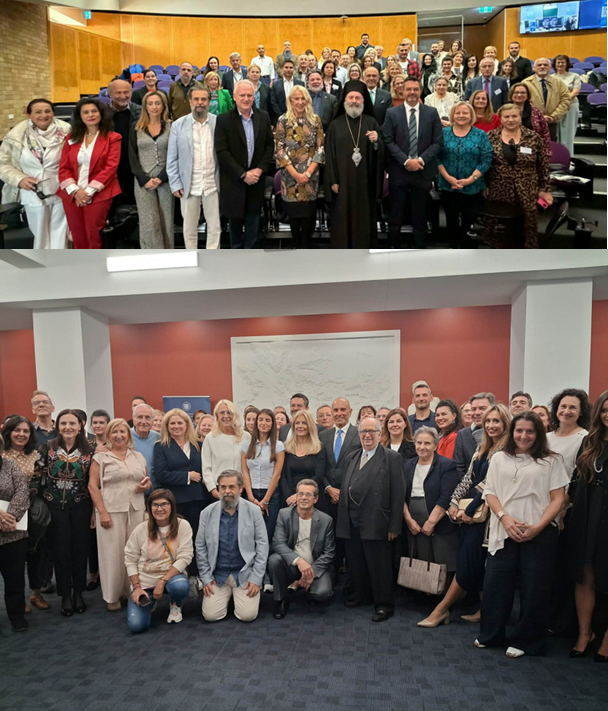
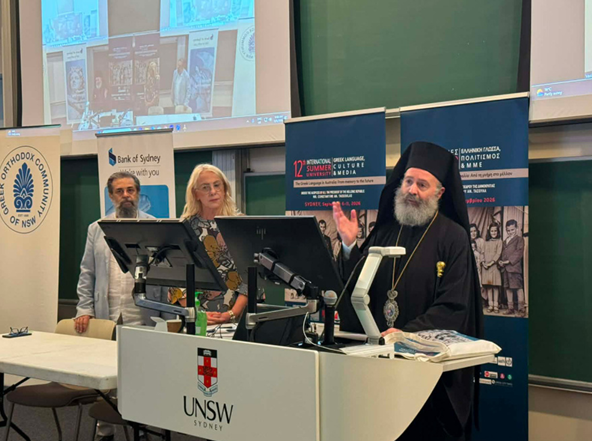
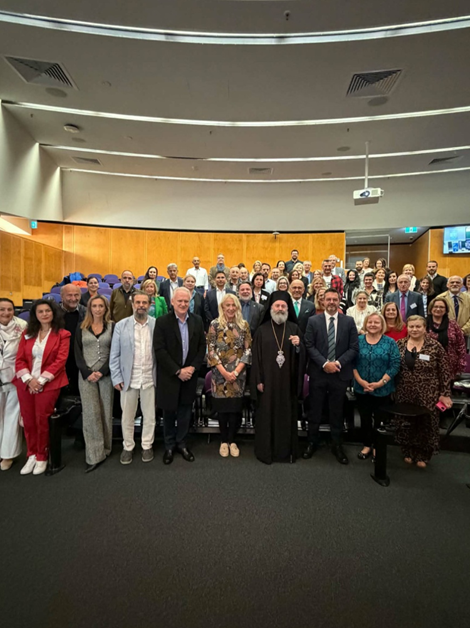
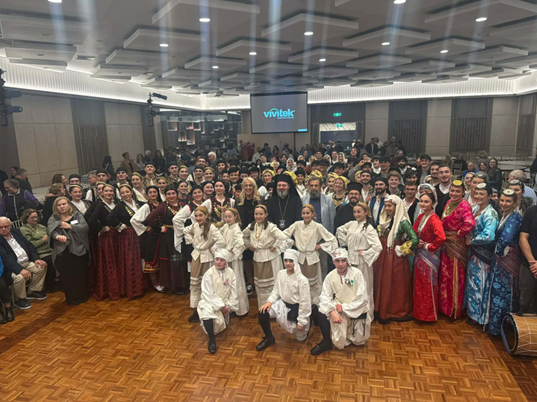
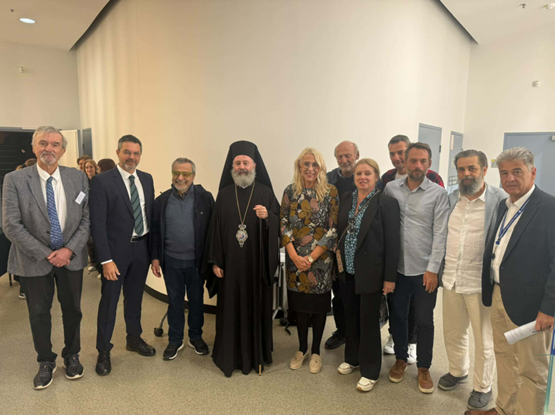
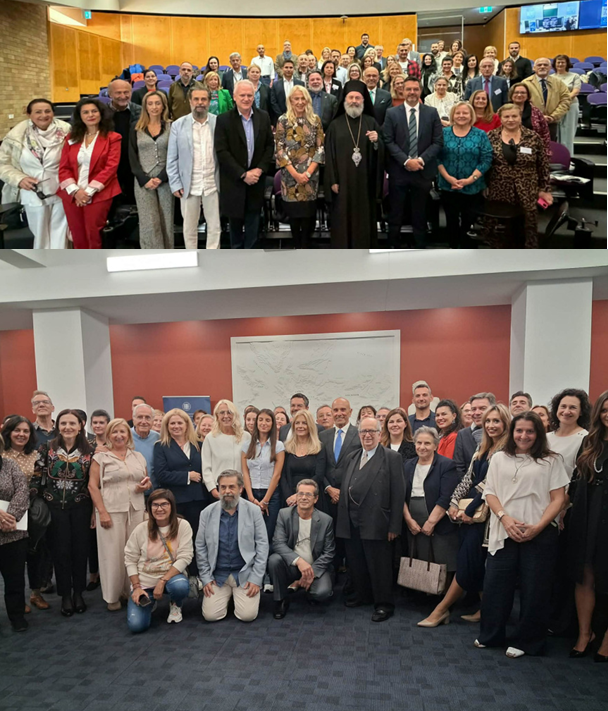
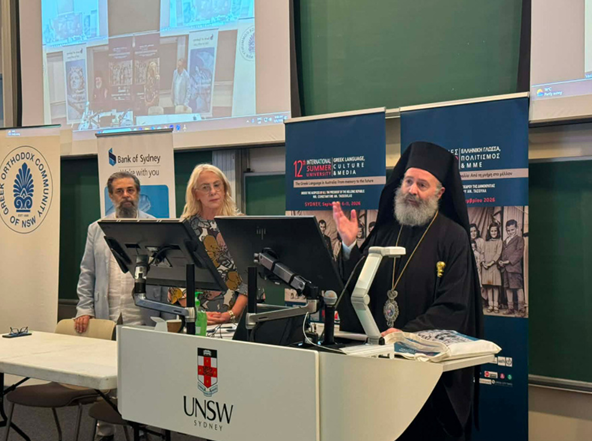
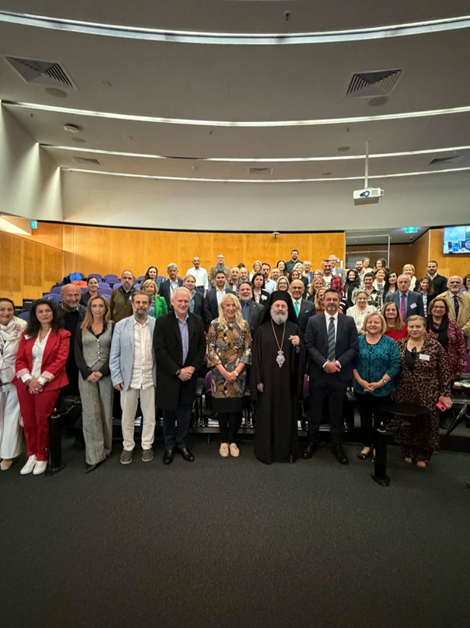
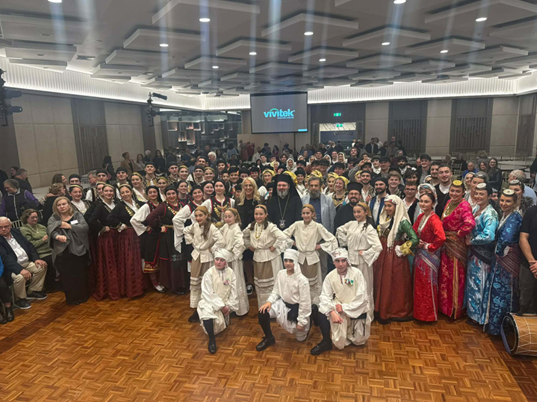
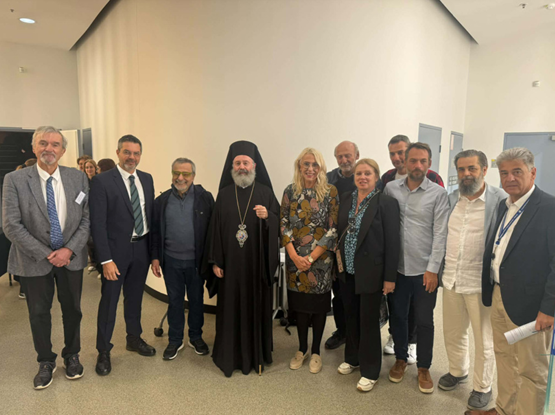
Ένας παράγοντας που περιπλέκει την αξιοποίηση του έργου του Καποδίστρια προκειμένου να διευκολυνθεί η στροφή της Ελλάδας προς τον «πλανητικό νότο», είναι το γεγονός ότι ο ίδιος είναι σχετικά γνωστός μόνο σε ορισμένες συγκεκριμένες χώρες εκτός Ελλάδας: την Ελβετία, τη Ρωσία, τη Βουλγαρία, τη Ρουμανία……. Όταν ο Ιταλός πρώην ευρωβουλευτής, ο αείμνηστος Giulietto Chiesa, επισκέφθηκε την Αίγινα το 2013 και μίλησε σε μια αξιομνημόνευτη δημόσια συζήτηση για την ευρωπαϊκή ολοκλήρωση και το μέλλον της, αυτός δεν γνώριζε απολύτως τίποτα για τον Καποδίστρια (μέχρι που τον ενημέρωσαν οι Αιγινίτες!). Στον αγγλόφωνο κόσμο του νότιου ημισφαιρίου, και συγκεκριμένα στην Αυστραλία, η ελληνική διασπορά έχει συμβάλει σε κάποιες πρώτες ενδείξεις αναγνώρισης. Στις 10 Μαρτίου 2026 πραγματοποιήθηκε μια δημόσια εκδήλωση με μεγάλη συμμετοχή στο προάστιο Λάκεμπα του Σίδνεϊ, υπό την αιγίδα της Ελληνικής Ορθόδοξης Κοινότητας της Νέας Νότιας Ουαλίας, για τον εορτασμό της 250ης επετείου από τη γέννηση του Καποδίστρια. Ο Ελληνοαυστραλός πανεπιστημιακός Βασίλης Αδραχτάς πραγματοποίησε διάλεξη με θέμα τον Ιωάννη Καποδίστρια, «εξερευνώντας την κληρονομιά του πρώτου Κυβερνήτη του σύγχρονου ελληνικού κράτους και το όραμά του για το μέλλον της Αθήνας».
Για να αποκτήσει ο πρώτος κυβερνήτης της σύγχρονης Ελλάδας «αναγνωρισιμότητα» μεταξύ των Αυστραλών που δεν έχουν ελληνική καταγωγή, θα ήταν ίσως χρήσιμο να εντοπιστεί ένας «Καποδίστριας του Νότου». Κατά την προσωπική μου άποψη, ένας πιθανός υποψήφιος για κάποιο είδος ιστορικού παραλληλισμού με τον πρώτο κυβερνήτη της σύγχρονης Ελλάδας θα μπορούσε να είναι ο πρώτος κυβερνήτης της Νέας Νότιας Ουαλίας, ο πλοίαρχος Arthur Phillip.
H άποψη της τεχνητής νοημοσύνης:
Η σύγκριση του Arthur Phillip, πρώτου Κυβερνήτη της Νέας Νότιας Ουαλίας (1788-1792), με τον Ιωάννη Καποδίστρια, πρώτου Κυβερνήτη της Ελλάδας (1821-1831), αναδεικνύει ορισμένες ενδιαφέρουσες ομοιότητες ως ιδρυτικών ηγετών που είχαν αναλάβει το έργο της οικοδόμησης ενός νέου κράτους από το μηδέν. Αν και δραστηριοποιήθηκαν σε εντελώς διαφορετικά πλαίσια – ένας αποικιακός σωφρονιστικός οικισμός έναντι ενός κυρίαρχου μεταεπαναστατικού κράτους – μοιράζονται κοινά χαρακτηριστικά ως πρωτοπόροι διοικητές. Και οι δύο υπήρξαν οι κύριοι αρχιτέκτονες της καθιέρωσης των αρχικών δομών των αντίστοιχων κυβερνήσεών τους, αντιμετωπίζοντας τεράστια αστάθεια.
Αυστηρή ηθική και όραμα: Ο Phillip διακρίνεται για τον «αυστηρό ηθικό προσανατολισμό και τη σχολαστική του φύση, απαραίτητα για τη διοίκηση μιας αποικίας καταδίκων σε ένα εχθρικό περιβάλλον». Ομοίως, ο Καποδίστριας ήταν γνωστός για την αφοσίωσή του στην οργάνωση μιας διαλυμένης κοινωνίας υπό το κράτος δικαίου.
Ο αγώνας για τους πόρους: Και οι δύο άνδρες δρούσαν σε σκληρά, στερημένα από πόρους περιβάλλοντα, αναγκασμένοι να λαμβάνουν δύσκολες αποφάσεις με περιορισμένη υποστήριξη από τις αρχές της μητρόπολης (το Λονδίνο για τον Phillip· τις ευρωπαϊκές δυνάμεις για τον Καποδίστρια).
Προκλήσεις κατά της εξουσίας: Και οι δύο αντιμετώπισαν αντίσταση από τις ίδιες τους τις τάξεις – από τους κατάδικους και τους πεζοναύτες στην περίπτωση του Phillip, από τοπικές πολιτικές φατρίες στην περίπτωση του Καποδίστρια.
Διαφορές
Στόχος του κράτους: Ο Phillip ίδρυε μια αποικία σχεδιασμένη για τη φυλάκιση και την ενδεχόμενη ανάπτυξη υπό βρετανική κυριαρχία. Ο Καποδίστριας οικοδομούσε μια ανεξάρτητη, σύγχρονη ευρωπαϊκή δημοκρατία.
Ιστορικό: Ο Phillip ήταν Βρετανός αξιωματικός του ναυτικού, ενώ ο Καποδίστριας ήταν διπλωμάτης με εκτεταμένη ευρωπαϊκή εμπειρία, ο οποίος λειτούργησε ως μεταβατική προσωπικότητα μεταξύ της οθωμανικής εποχής και της σύγχρονης Ελλάδας.
Ουσιαστικά, και οι δύο θα μπορούσαν να περιγραφούν ως ιδρυτικοί διοικητές που διαχειρίζονταν το χάος σε ένα νέο έδαφος.
Εναλλακτικό κείμενο
Arthur Phillip: ένας Καποδίστριας του νότιου ημισφαιρίου;
Η σύγκριση του Arthur Phillip με τον Ιωάννη Καποδίστρια αποτελεί μια ενδιαφέρουσα ιστορική παραλληλία, η οποία υποδηλώνει ότι και οι δύο ήταν πρωτοπόροι και αυταρχικοί ηγέτες, στους οποίους είχε ανατεθεί η αποστολή να οικοδομήσουν μια νέα κοινωνία από το μηδέν υπό χαοτικές συνθήκες.
Αν και δραστηριοποιήθηκαν σε εντελώς διαφορετικούς κόσμους – ο Phillip ως αξιωματικός του Βρετανικού Βασιλικού Ναυτικού που ίδρυσε μια αποικία καταδίκων στην Αυστραλία (1788-1792) και ο Καποδίστριας ως πρώτος αρχηγός κράτους μιας νεοαποκτηθείσας ανεξαρτησίας Ελλάδας (1828-1831) – υπάρχουν αξιοσημείωτες ομοιότητες στους ρόλους τους ως «οικοδόμων κρατών».
Ομοιότητες ως «Δημιουργοί»
Δημιουργοί κοινοτομιών: Ο Phillip ίδρυσε την αποικία της Νέας Νότιας Ουαλίας και την πόλη του Σίδνεϊ, ξεπερνώντας την πείνα και την τεράστια απομόνωση. Ομοίως, ο Καποδίστριας ανέλαβε την ηγεσία μιας Ελλάδας που είχε καταστραφεί από τον πόλεμο, θέτοντας τα θεμέλια του σύγχρονου ελληνικού κράτους στην Αίγινα και στο Ναύπλιο.
Αυταρχικός τρόπος διοίκησης: Και οι δύο λειτουργούσαν ως επιδέξιοι αυταρχικοί ηγέτες. Ο Phillip εξουσιοδοτήθηκε ως Κυβερνήτης να επιβάλει αυστηρή πειθαρχία και τάξη στον πληθυσμό των καταδίκων. Ο Καποδίστριας, αντιμετωπίζοντας έντονες εσωτερικές διαμάχες, ανέστειλε το σύνταγμα για να δημιουργήσει μια λειτουργική κεντρική κυβέρνηση, ενεργώντας συχνά με απόλυτη εξουσία.
Οραματική ηγεσία: Ο Phillip ήταν γνωστός ως στρατηγικός στοχαστής που αναγνώριζε τις προοπτικές της νέας χώρας και υπερασπιζόταν τα δικαιώματα των αυτοχθόνων πληθυσμών στη γη, καθώς και την καλή μεταχείριση των καταδίκων. Ο Καποδίστριας ήταν επίσης ένας οραματιστής που είχε ως στόχο την οικοδόμηση σύγχρονων θεσμών (σχολεία, δικαστήρια, ορφανοτροφεία).
Byron
Ο ποιητής Λόρδος Byron ήταν μια προσωπικότητα, αναμφίβολα πιο γνωστή διεθνώς από τον Ιωάννη Καποδίστρια, ως σημαντικός πρωταγωνιστής της Ελληνικής Επανάστασης. Πιθανώς ο πιο διάσημος φιλελλήνας, ναύλωσε και εξόπλισε πλοία για να σπάσει την πολιορκία του Μεσολογγιού, οργάνωσε την έκδοση ελληνικών πολεμικών ομολόγων στην αγορά του Λονδίνου, συγκέντρωσε στρατεύματα σε συνεργασία με τον επαναστάτη ηγέτη Αλέξανδρο Μαυροκορδάτο. Ο θάνατός του από πυρετό στο Μεσολόγγι κινητοποίησε τη διεθνή συμπάθεια και ώθησε τις δυτικοευρωπαϊκές δυνάμεις να παρέμβουν υπέρ της Ελλάδας. Θα έλεγε συνεπώς ο κόσμος ότι η εμφάνιση στην Αυστραλία μιας «Διακήρυξης του Φάρου του Cape Byron» θα προκαλούσε κάτι περισσότερο από μια αμυδρή εκδήλωση ενδιαφέροντος μεταξύ των υποστηρικτών μιας «στροφής προς τον παγκόσμιο νότο», ακόμη και αν ο Byron, από τον οποίο πήρε το όνομά του ο εν λόγω φάρος (ονομάστηκε από τον καπετάνιο James Cook), αποδειχθεί να μην ήταν ο πιο διάσημος Byron — ο καπετάνιος Cook είχε πεθάνει εννέα χρόνια πριν γεννηθεί ο φιλελληνικός ποιητής Byron —, αλλά ο παππούς του τελευταίου, ο οποίος είχε κάνει το γύρο του κόσμου, ο αντιναύαρχος του Λευκού Στόλου «Foul-Weather Jack» Byron.
Φάροι
Μια τελευταία ερώτηση για την τεχνητή νοημοσύνη
Οι φάροι αποτελούν μέσο προστασίας από φυσικούς κινδύνους ή από ανθρωπογενείς κινδύνους;
Απάντηση
Οι φάροι αποτελούν μέσο προστασίας από φυσικούς κινδύνους.
Φυσικοί κίνδυνοι που αποτρέπουν οι φάροι
Κρυμμένα βράχια και ύφαλοι: Προειδοποιούν τα πλοία πριν προσκρούσουν σε σκληρά υποβρύχια βράχια.
Ρηχά νερά: Κρατούν τα σκάφη μακριά από αμμοσύρματα όπου μπορεί να κολλήσουν.
Επικίνδυνες ακτές: Δείχνουν στους ναυτικούς πού βρίσκεται η άκρη της ξηράς κατά τη διάρκεια σκοτεινών νυχτών.
Πυκνή ομίχλη και καταιγίδες: Χρησιμοποιούν δυνατές σειρήνες και έντονες ακτίνες φωτός για να καθοδηγήσουν τα πλοία όταν η ορατότητα είναι πολύ χαμηλή.
Γιατί δεν προορίζονται για ανθρωπογενείς κινδύνους
Δεν εμποδίζουν εχθρούς, πειρατές ή στρατιωτικές επιθέσεις
Ο μοναδικός τους σκοπός είναι να αποτρέπουν τυχαίες συγκρούσεις που προκαλούνται από τη γεωγραφία και τις καιρικές συνθήκες.
Σχόλιο από τον enouranois:
Ο τίτλος είναι υπερβολικός, αλλά η παρουσίαση της υπόθεσης είναι πραγματικά απαράδεκτη.
https://cairnsnews.org/2026/07/29/minns-and-nsw-labor-purge-christianity-from-police-ranks/
Δύο σημεία που αξίζει να επισημανθούν: https://www.abc.net.au/news/2023-05-04/nsw-nationals-won-t-rule-out-ben-franklin-expulsion/102300944
Ο Ben Franklin (πρόεδρος του παλαιότερου κοινοβουλίου της Αυστραλίας, του Νομοθετικού Συμβουλίου της Νέας Νότιας Ουαλίας) θα πρέπει να προσκληθεί στην 200ή επέτειο της ορκωμοσίας του πρώτου κυβερνήτη της σύγχρονης Ελλάδας στην Αίγινα, στις 26 Ιανουαρίου 2028. Η 26η Ιανουαρίου είναι η διεθνώς (και εθνικά) μη αναγνωρισμένη ημερομηνία εγκαθίδρυσης του μεταεπαναστατικού σύγχρονου ελληνικού κράτους. Η Ελλάδα θα πρέπει να αποκτήσει και πάλι ένα διμερές κοινοβούλιο (όπως η Νέα Νότια Ουαλία και όλες οι πολιτείες της Αυστραλίας εκτός από το Queensland), όπως είχε δύο φορές στην ιστορία της από την ίδρυση της σύγχρονης Ελλάδας. Ωστόσο, αυτό θα χρειαστεί βοήθεια. Δεν περιλαμβάνεται στις τρέχουσες ατζέντες.